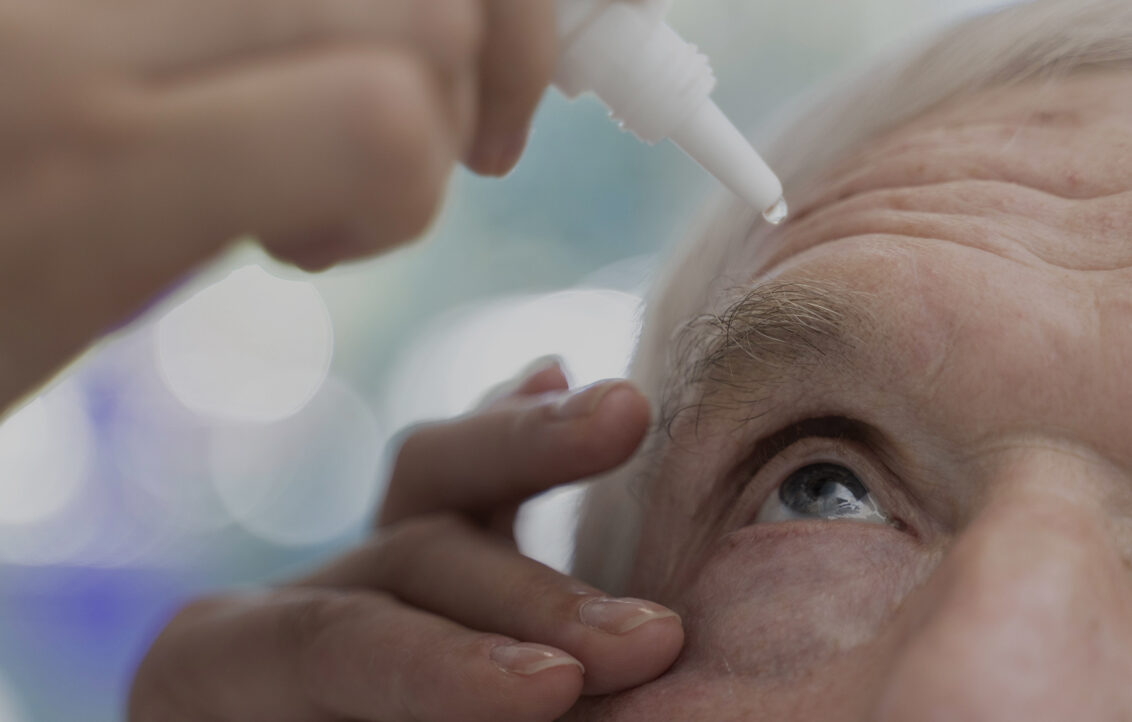
Footage from product testing in public demo events
Footage from product testing
in public demo events

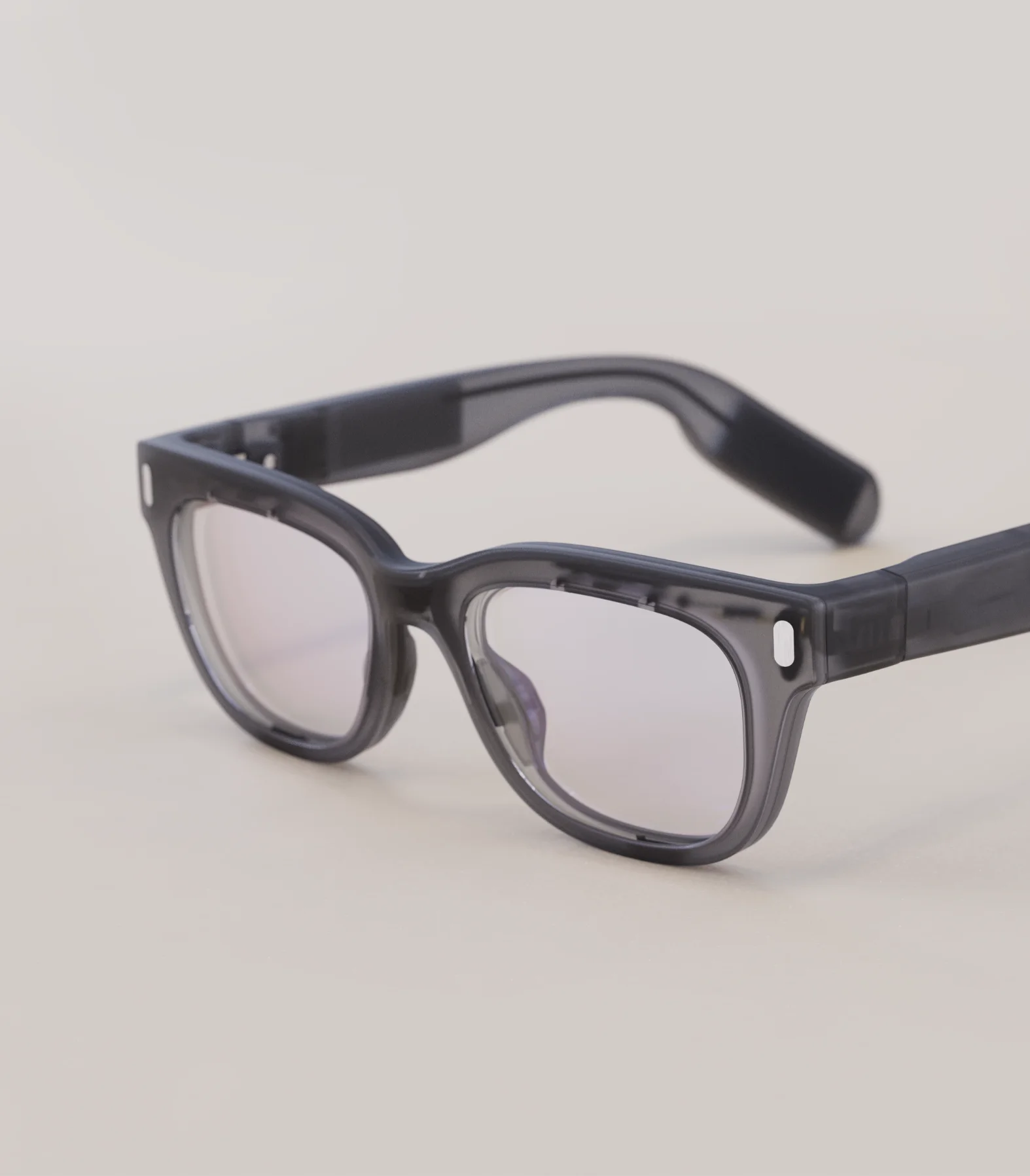
One pair of glasses. Clear at every distance.
No adjustments, no sweet spots, no effort, no compromise.
Product in development. Partnering with leading US ophthalmology
institutions. Planned launch - 2027.
Developed by a team of driven engineers,
AI researchers, and clinicians.
Strategic partnership with one of the
world’s top ophthalmology institutions.
No buttons. No dials. No adjustments. You put them on,
and they work the way your eyes used to.
 01
01
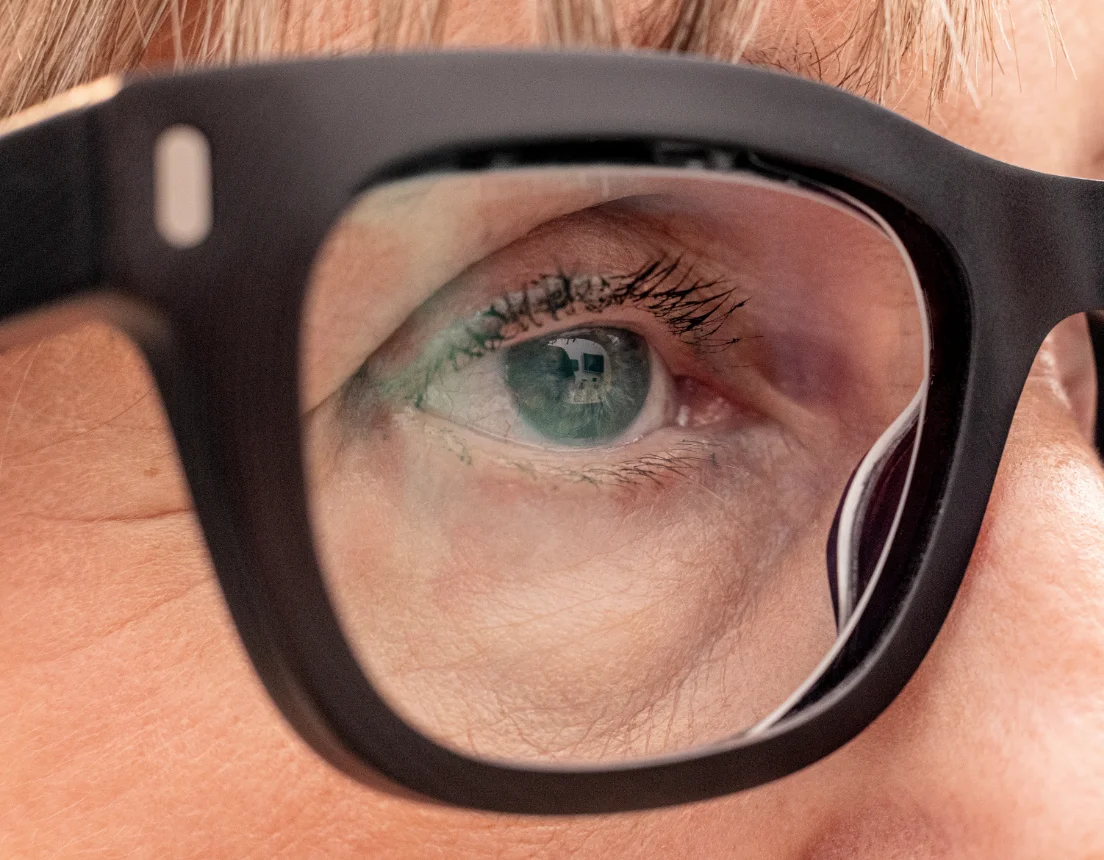
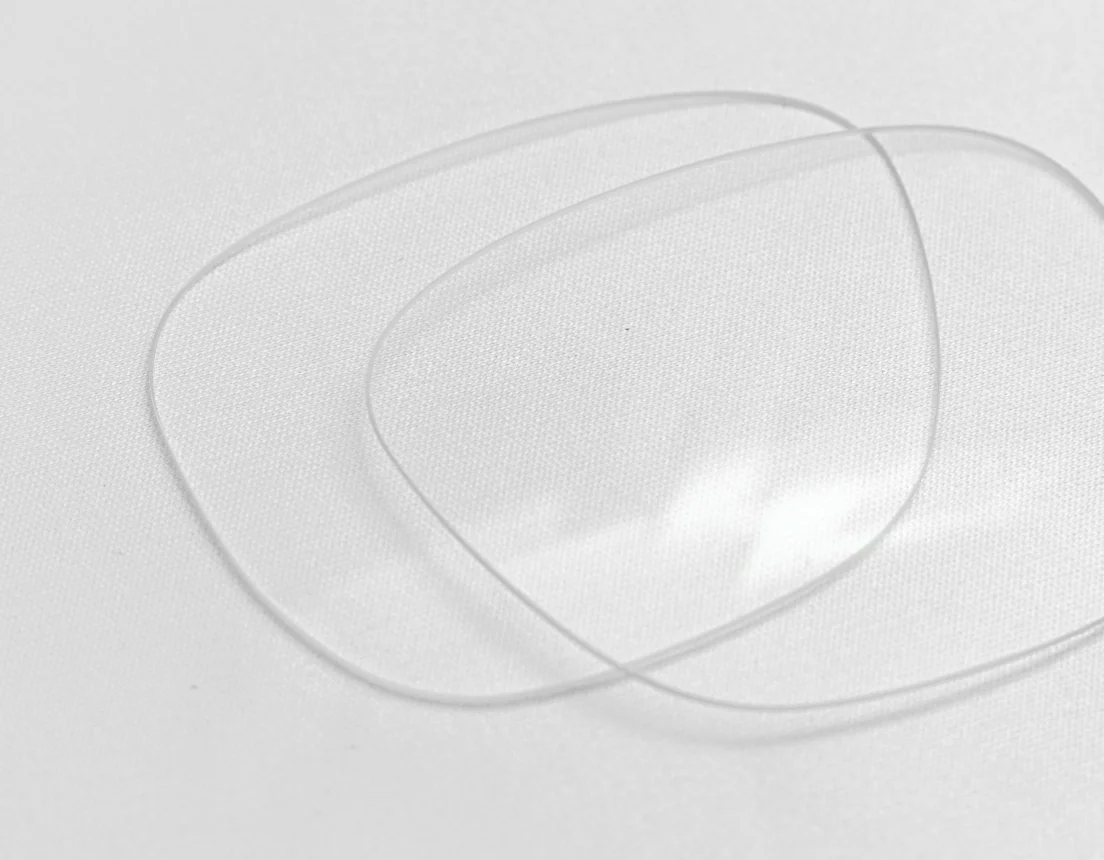
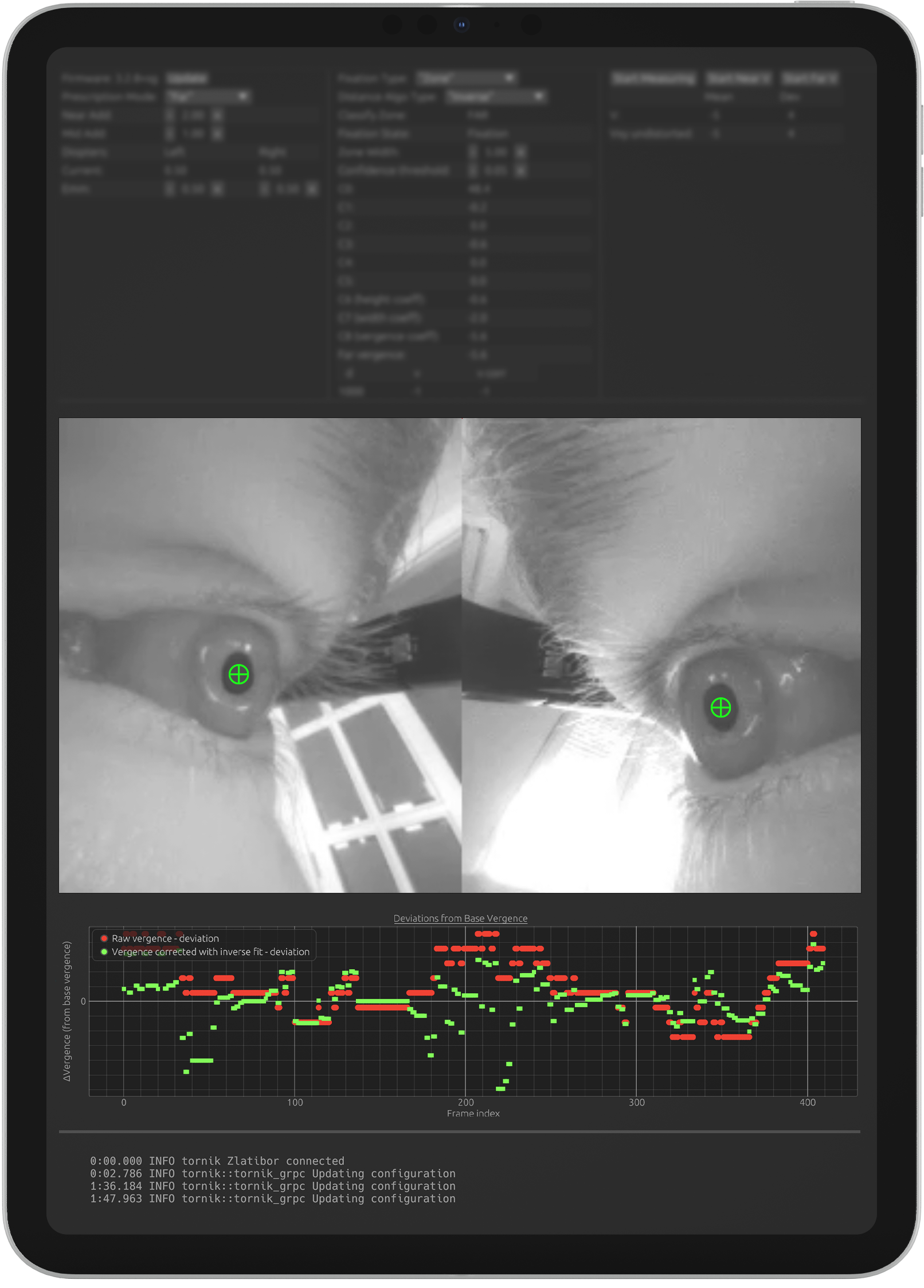
Miniature cameras inside the frame watch your
eyes. The software in the glasses calculates the
exact distance you're trying to focus on.
 02
02
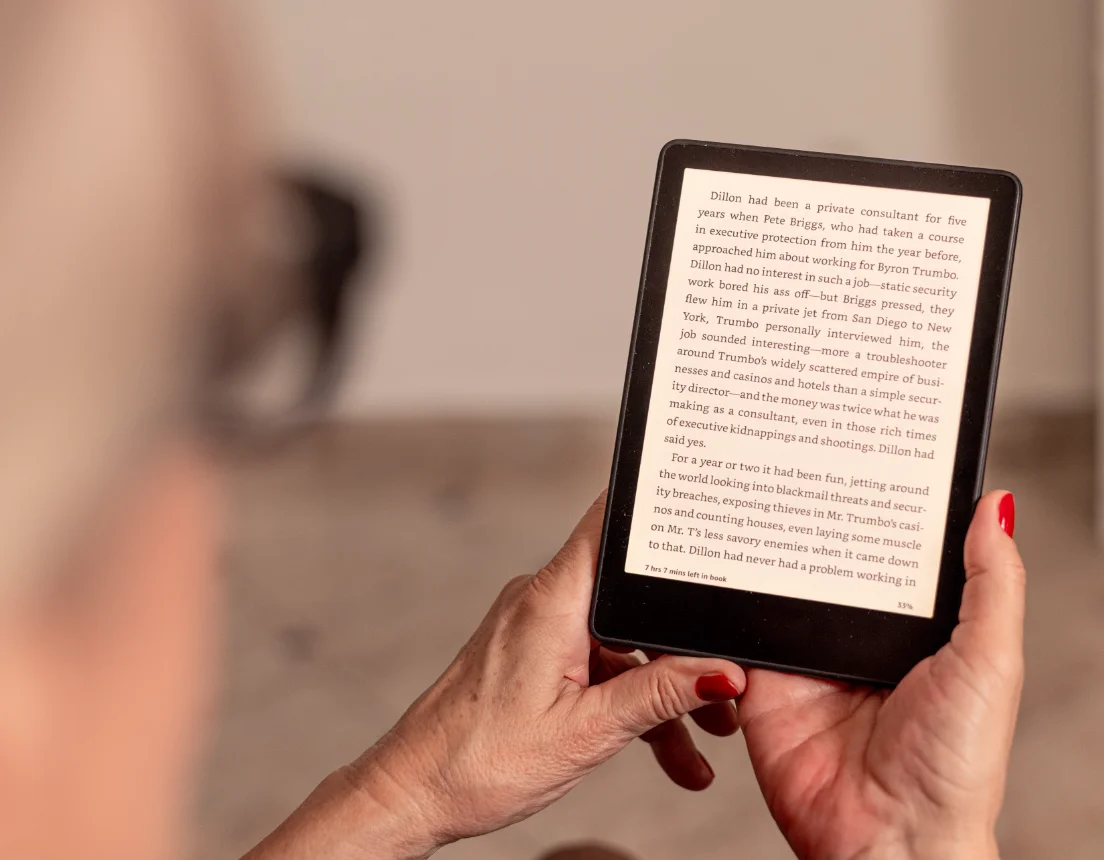
A proprietary lens system continuously changes its focal
power to match the distance you're looking at — the same
way your eyes did when you were twenty.
 03
03
The entire process happens in under 100
milliseconds — faster than you can perceive. No
head-tilting. No sweet spots. No compromise.
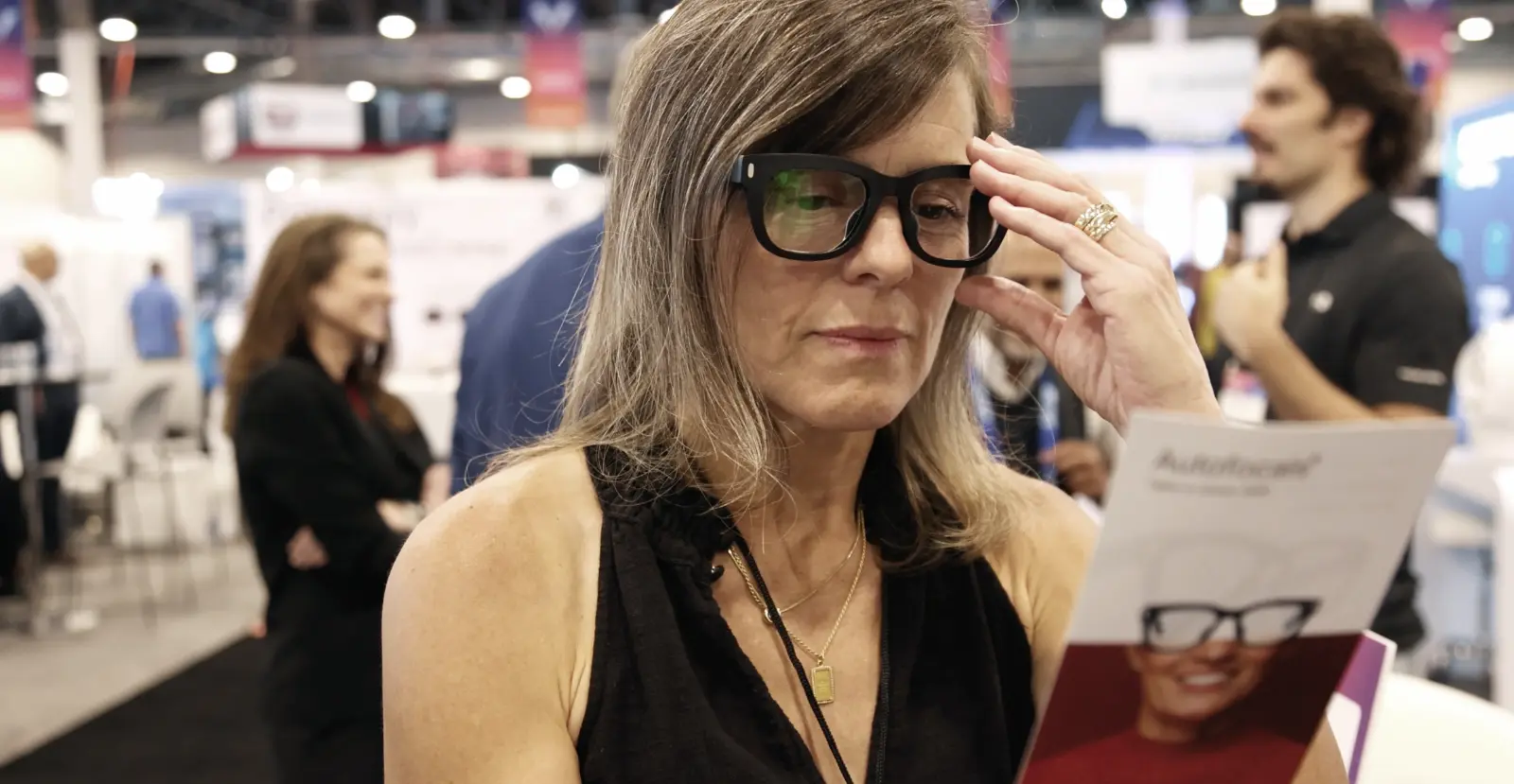

See how Autofocals refocus in real time. Footage from real-world user testing.
Autofocals are built for people in their fifties, sixties,
seventies, and beyond who still have things they want to
see clearly. A book. A patient’s chart. A climbing route. A
spreadsheet. A grandchild’s face across a dinner table. A
sunset.
If your vision has been getting in the way of living your
best life, this is for you. We want to help you stay active,
stay productive and never miss a detail.
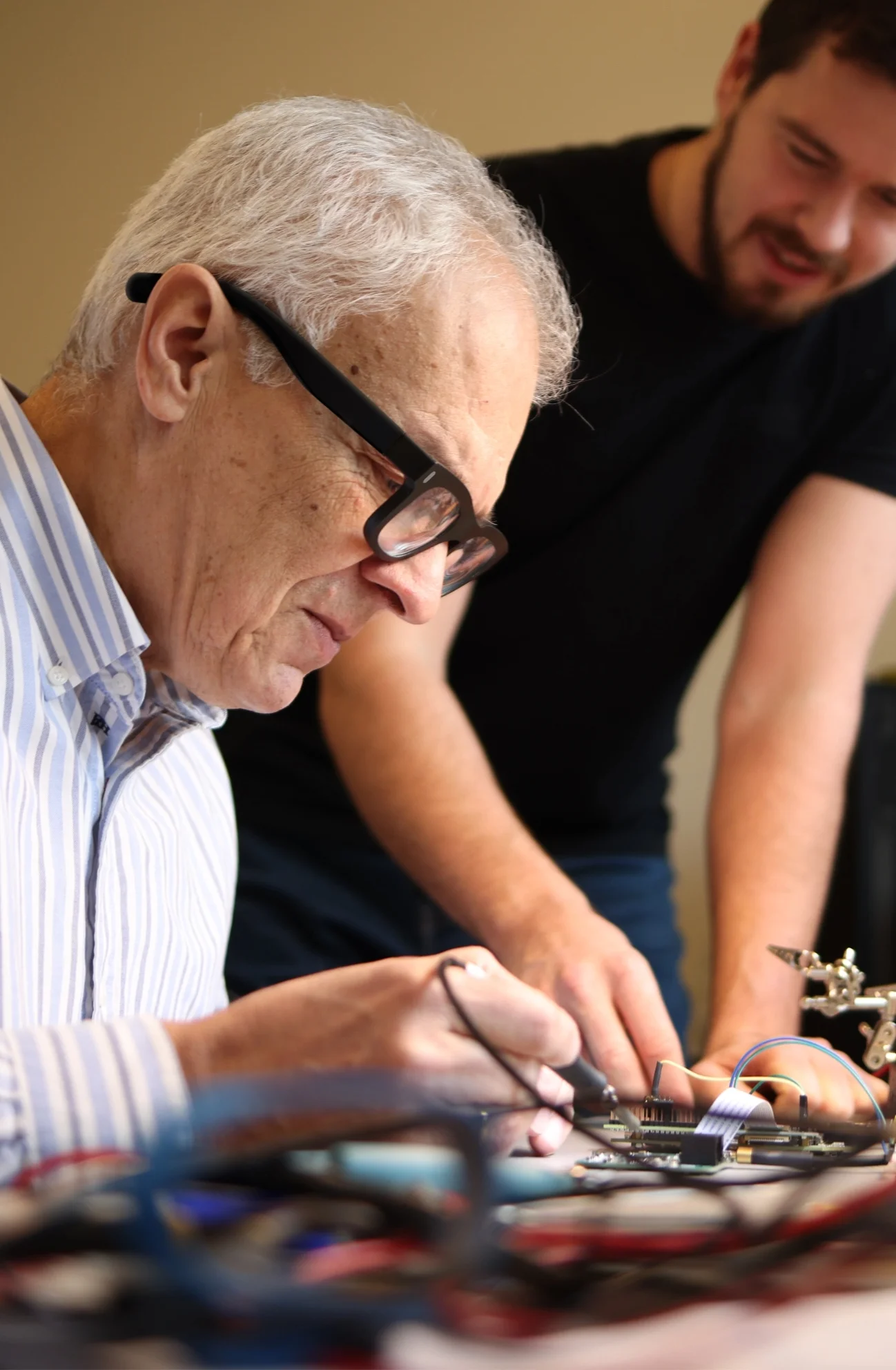
Fine-motor precision work at
close distance without head-
tilting into a loupe.
Effortless shifting from map
to horizon to phone, all day,
every day.
Hours of uninterrupted reading
without eye strain or
progressive lens fatigue.
Seeing a small face clearly from
across the room or right in front
of you.
If this sounds like you,
we’d love to hear from you.
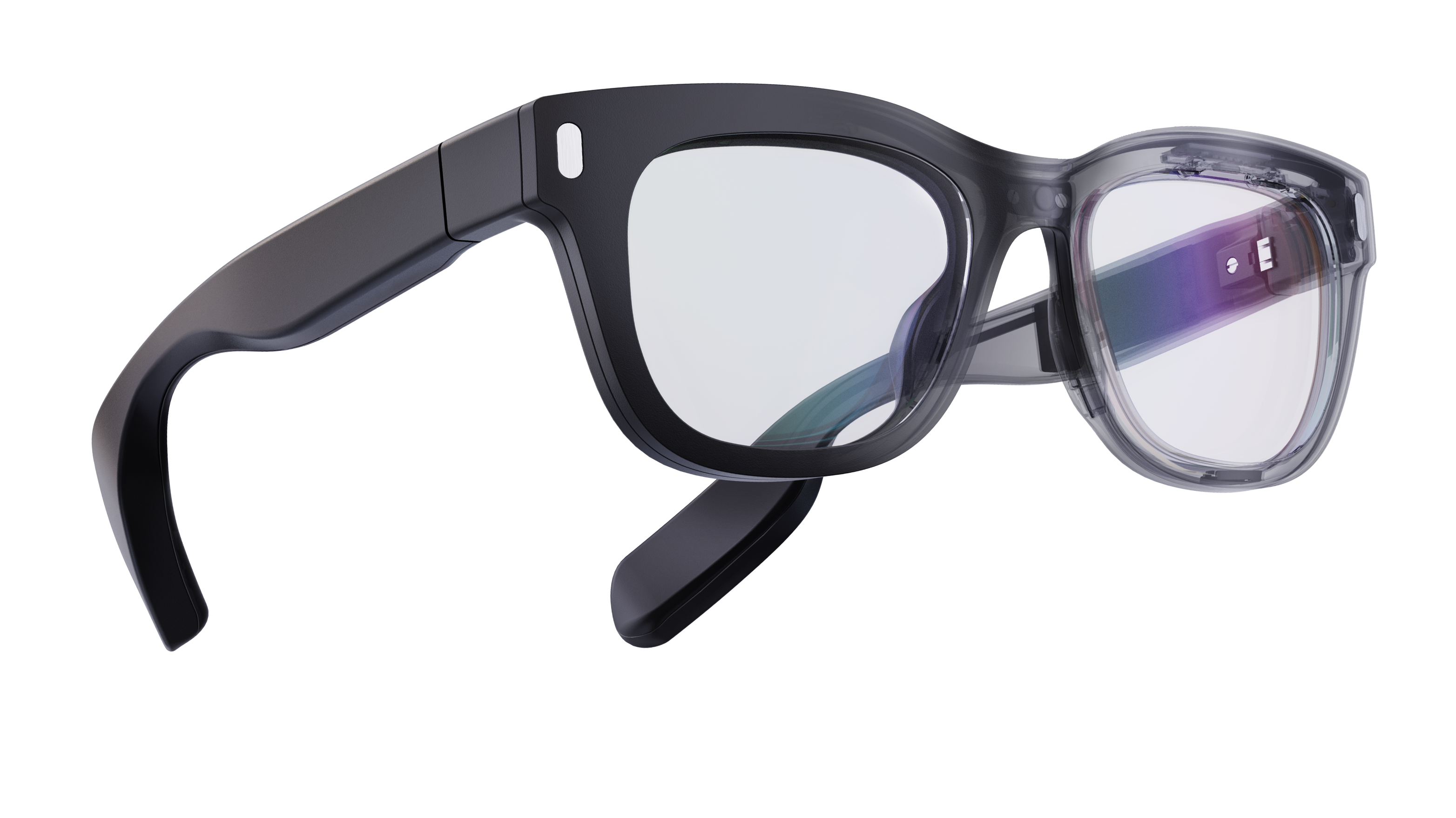
Dual inward-facing miniature cameras capture real-time pupil position and vergence. A proprietary edge-AI model estimates depth-of-gaze within 20ms. A specialized variable-focal-power lens system then adjusts to match — continuously, and as fast as a young, healthy eye. The only technology able to restore clear vision at every distance, shining where every other solution falls short.
Variable-focal-power lenses matched to each
prescription. Up to ±5 diopters of distance
correction with up to a +3.0 reading add,
including astigmatism correction.
Precise pupil detection, real-time eye
tracking, and depth-of-gaze
estimation running on-device.
Closed-loop autofocus faster than the
threshold of human perception —
seamless vision at every distance.
Miniaturized, high-frame-rate
sensors positioned discreetly to
capture subtle eye movements.
Power, firmware, and compute architecture
optimized for all-day wearability in a
standard eyewear form factor.
Ergonomic design concealing the
technology completely —
indistinguishable from premium eyewear.
We’re seeking people who think Autofocals are the ideal solution for their visual needs and want them on the market. No payment now. No obligation. Just a place in our group. Join our mission. Help us spread the message to everyone who is struggling to see clearly.
Prefer to wait? Learn more about how Autofocals work and what’s inside →
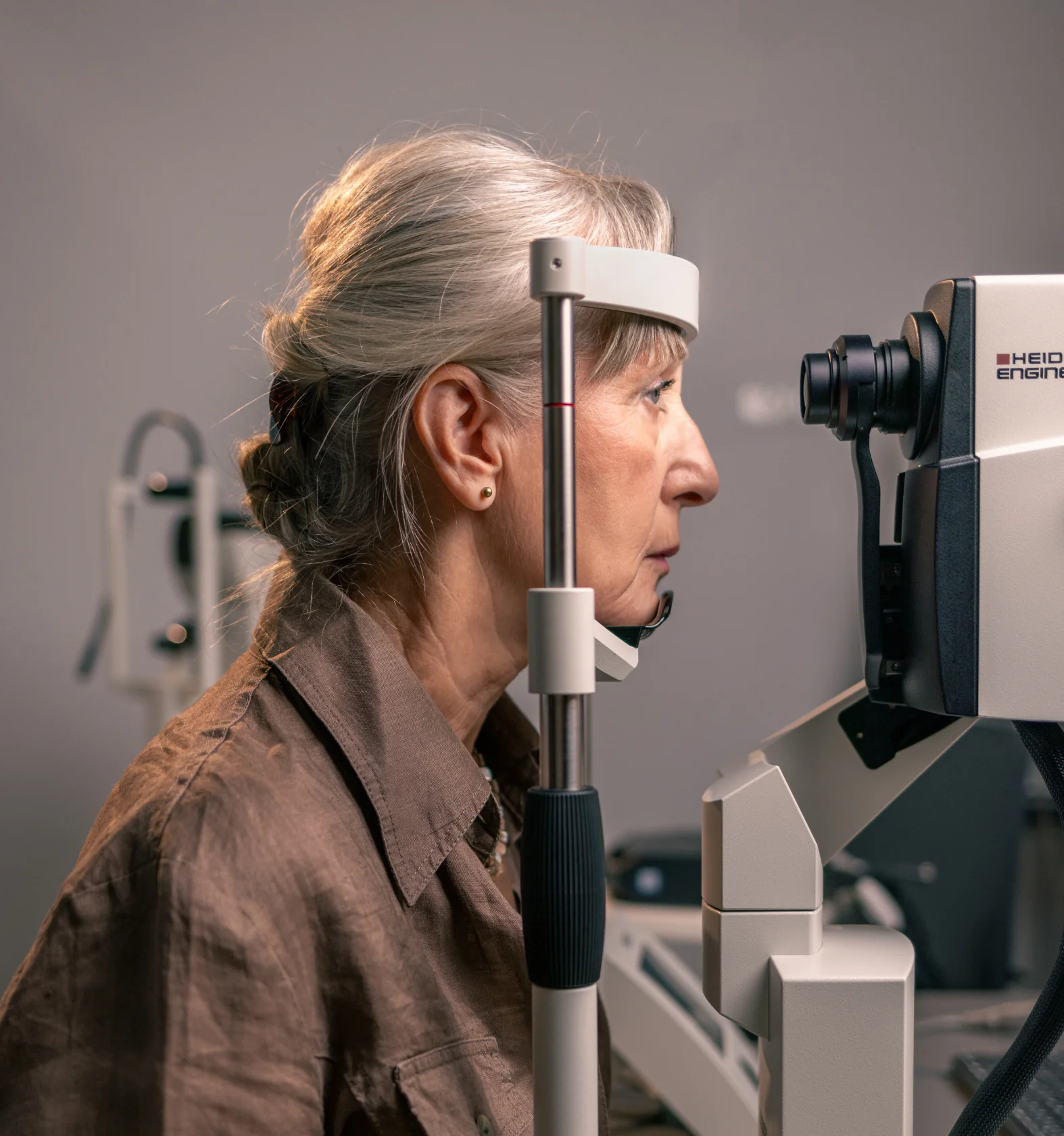
Autofocals replace the static, compromised optics of progressive lenses with continuous, real-time focus. We are opening a limited set of early partnerships for clinical validation, distribution, and research.
Establish your practice or institution as an
early reference site and become a
preferred distribution partner for the next
generation of vision care.
Measurable improvement in visual acuity
across near, intermediate, and far distances
— particularly for the 20% of people with
accommodation issues who never adapt to progressives.
Access to a proprietary vision telemetry
dataset: gaze stability, fixation, reaction
time, and oculomotor markers for neuro-
ophthalmological research.
Autofocals can continuously capture passive, naturalistic
eye-behavior data — a longitudinal signal never before
available at scale. We’re partnering with ophthalmology,
optometry, and neurology research groups to responsibly
unlock what this data can reveal.
Micro-saccade detection and fixation
analysis relevant to neurodegenerative
disease research.
Pupillary light reflex and blink-rate
variability — candidate signals for fatigue,
cognitive load, and neurological
monitoring.
Reaction latency to visual stimuli, a
proposed digital biomarker for early
Parkinson’s and MS screening.
Board-certified experts guiding our research
and clinical approach.
We read every inquiry and respond
typically within three business days.
We’re seeking people who think Autofocals are the ideal solution for their visual needs and want them on the market. No payment now. No obligation. Just a place in our group. Join our mission. Help us spread the message to everyone who is struggling to see clearly.
Prefer to wait? Learn more about how Autofocals work and what’s inside →
We read every inquiry and respond
typically within three business days.