Sooner or later, almost everyone who starts suffering from presbyopia asks the same hopeful question: can I fix this permanently somehow and skip the glasses entirely? The internet is happy to oblige, with eye drops that promise to do away with your reading glasses, lasers that reshape your eyes, and surgeries that swap your lens for a new one. Some of it is real and genuinely useful. Some of it is oversold. So here is a side-by-side look at three presbyopia treatment options. We’ll cover what eye drops, LASIK, and surgery do, where each one helps, and what it costs you in money, permanence, and risk. This is health content, so we have cited our sources and kept the hype out of it.
First, the hard headline: presbyopia can’t be cured
Presbyopia is the age-related stiffening of the lens inside your eye. The lens keeps growing and hardening over the decades until the focusing muscle can no longer reshape it, which is why near vision fades from your mid-40s and becomes near-universal by about 52.[1] That matters for this whole discussion, because none of the treatments below stop or reverse that underlying aging. What they do is work around it, by faking sharper near vision for a few hours, by setting one eye for close-up and the other for far, or by replacing the lens altogether. Anyone promising to “permanently cure” or “train away” presbyopia is selling something. The real question is not how to cure it, but which solution fits your eyes, your budget, and your appetite for permanence.
Presbyopia eye drops: a pinhole in a bottle
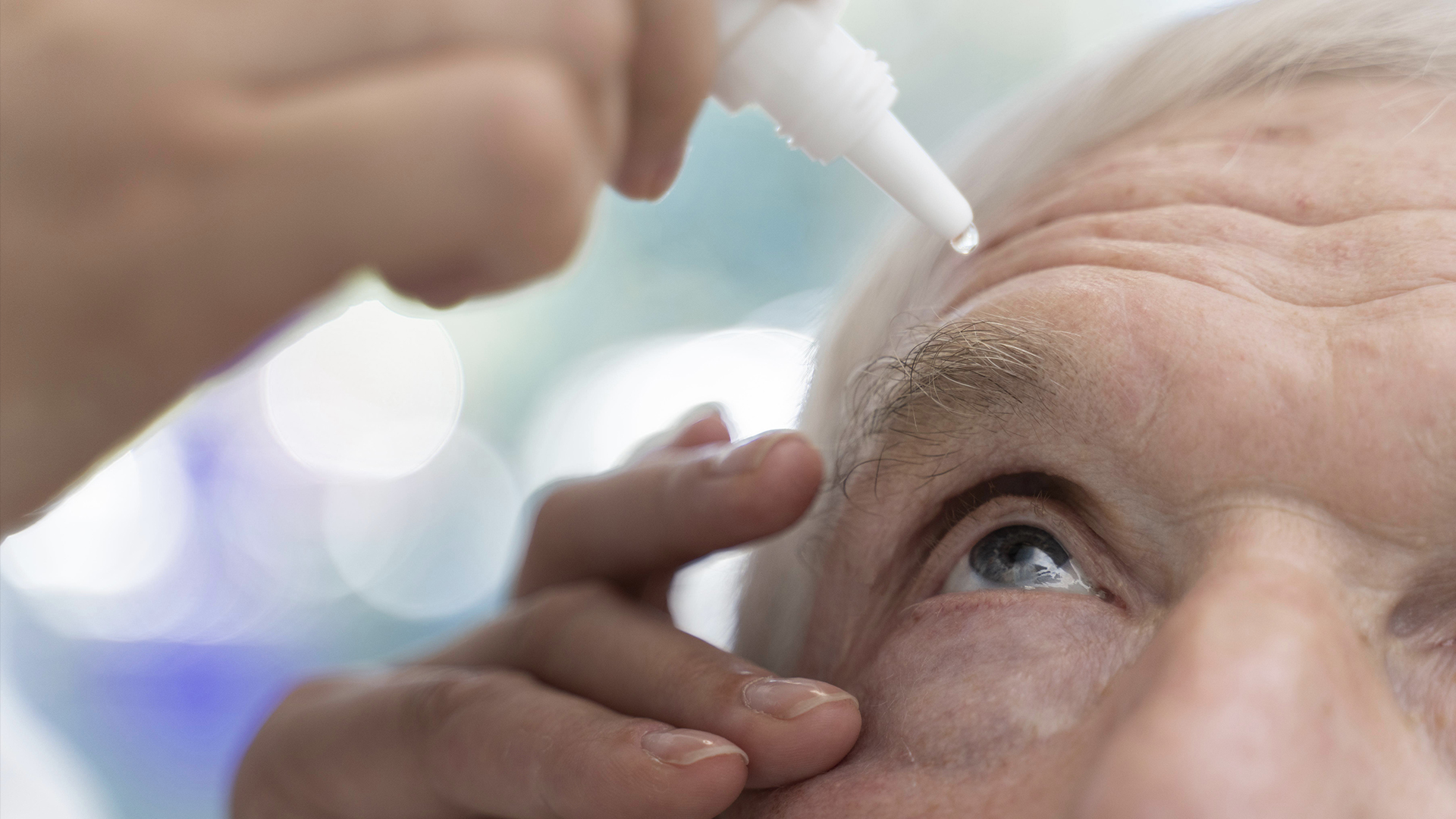
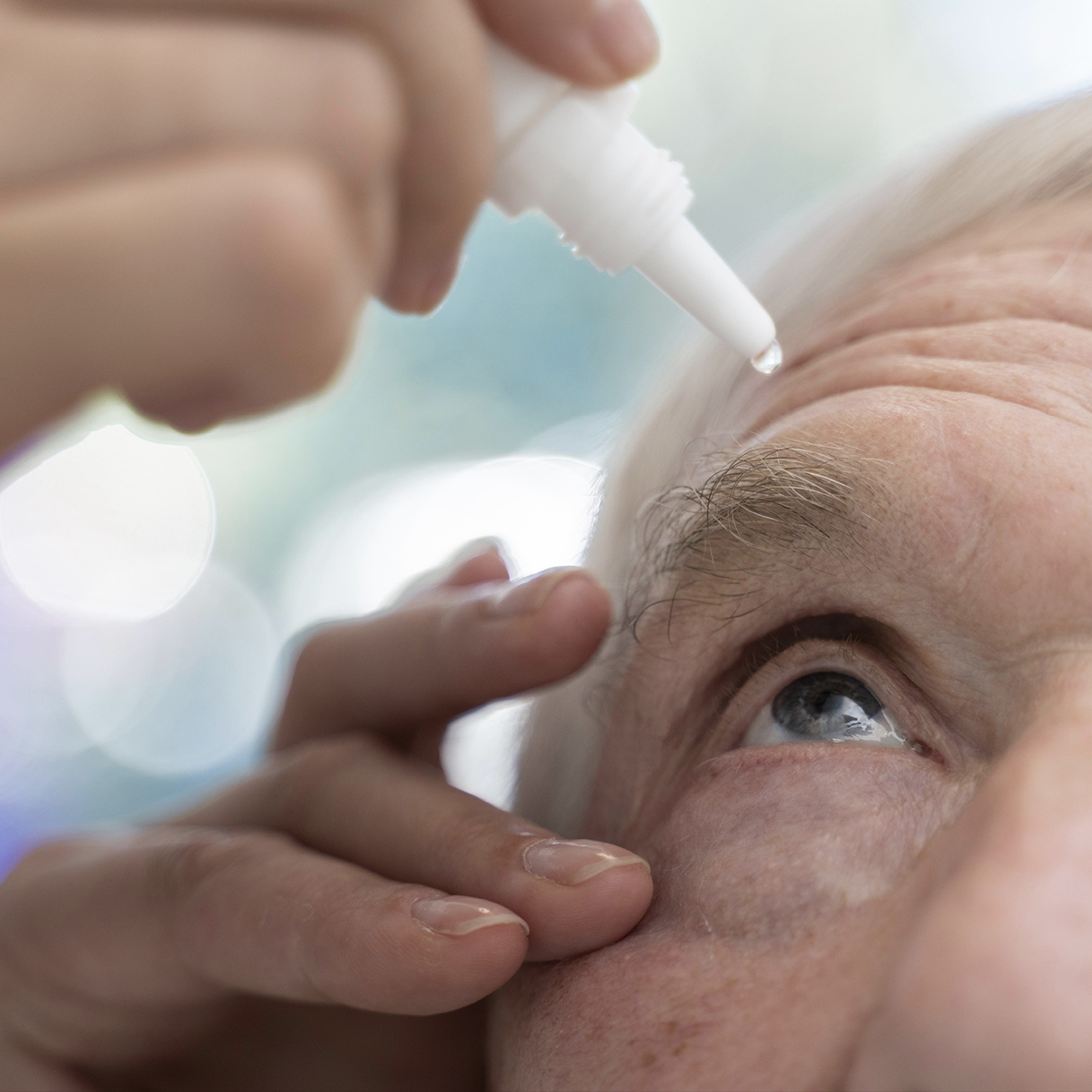
The newest and least invasive option is a prescription eye drop. The first, Vuity (pilocarpine 1.25%), was FDA-approved in October 2021, the first drop ever cleared for presbyopia.[2] Two more have followed: Qlosi (a lower-dose pilocarpine 0.4%), approved in 2023 and launched in the US in 2025, and Vizz (aceclidine 1.44%), approved in July 2025 as the first drop in a different drug class.[3][4]
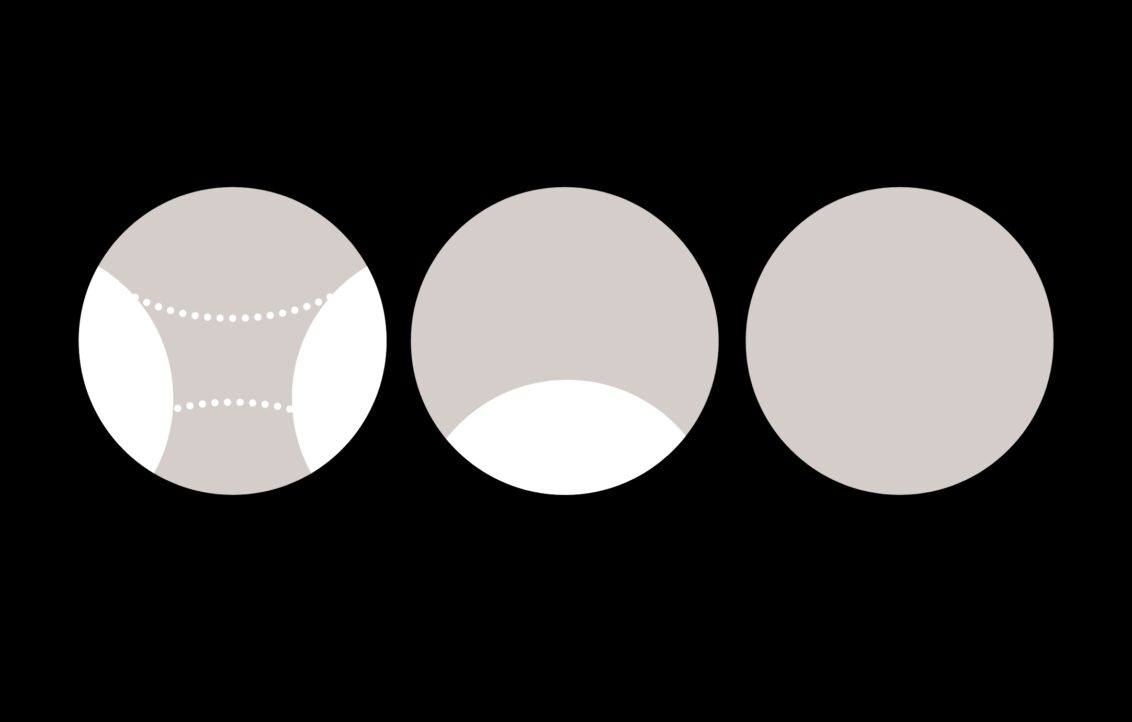
They mostly work through one clever trick: they shrink your pupil. A smaller pupil acts like the aperture on a camera stopped down. It deepens your depth of focus so near objects sharpen up, producing the same pinhole effect you create when you squint. The pilocarpine drops do this by activating the iris and focusing muscles, while the newer aceclidine drop is designed to constrict the pupil more selectively, with less of the temporary near-sightedness or brow ache that pilocarpine can cause.[3][4]
The honest limitations are the same ones squinting has. The effect lasts only a few hours, so it is an on-demand boost rather than an all-day fix. Because the whole mechanism depends on shrinking the pupil, the drops sharply lose effectiveness in dim light, exactly when a small pupil leaves you starved for light. This means they are weakest in restaurants and at night. They can cause headaches, dim or dark vision, and rarely even more serious effects, and tend to work best for people in their 40s and early 50s with milder presbyopia. Most users treat them as a supplement for a few glasses-free hours, not a replacement for correction.
LASIK and monovision: reshaping the cornea
LASIK cannot restore your lens’s lost flexibility, so it does not “fix” presbyopia the way it corrects nearsightedness. What a laser can do is set up monovision: reshaping the dominant eye for clear distance and the non-dominant eye for near, so your brain learns to use whichever eye is in focus for the task at hand.[5] For the right person, it can genuinely reduce dependence on glasses.
However, the trade-offs are real and worth weighing carefully. Splitting your eyes this way costs you some depth perception and fine contrast, which can matter for driving at night, sports, or detailed distance work. It does not stop presbyopia from progressing, so the near eye may need topping up again later. And because LASIK permanently removes corneal tissue, it is not reversible. Most surgeons strongly recommend trialing monovision in contact lenses first, since a meaningful share of people simply cannot tolerate the mismatch, and a contact-lens trial lets you find that out before anything is permanent.
Surgery: corneal inlays and lens replacement
Two surgical routes sit at the more invasive end. The first, corneal inlays, are tiny discs implanted in the cornea of one eye to extend its depth of focus, usually via a small-aperture (pinhole) design. The best-known, the KAMRA inlay, was FDA-approved in 2015 and implanted in more than 20,000 eyes, but its maker discontinued it in the US in early 2022 after problems including corneal haze, a hyperopic shift, and night-vision complaints. Another major issue is that the cornea does not fully return to normal even after the inlay is removed.[6] In practice, inlays are a fading option in the US, and that history is a useful caution about betting on irreversible novelty.
The more established surgical route is refractive lens exchange (RLE): removing your natural lens and replacing it with an artificial intraocular lens. Procedurally, this is practically the same operation as cataract surgery, just done before a cataract forms. Modern multifocal, extended-depth-of-focus, and accommodating IOLs can deliver a range of vision from one implant, and because the natural lens is gone, presbyopia genuinely cannot progress in that eye. It tends to make the most sense for people in their mid-50s and beyond, who may be heading toward cataract surgery anyway.[5] But it is real intraocular surgery, with the corresponding risks: it is permanent, multifocal implants can bring halos and glare and some loss of contrast, dry eye is common afterward, perception of depth becomes an issue for some people, and as with any surgery, there is a small risk of serious complications. It is a major decision, not a casual upgrade.
| Option | How long it lasts | Reversible? | Halts progression? | Main trade-offs | Relative cost |
|---|---|---|---|---|---|
| Eye dropsVuity, Qlosi, Vizz | A few hours, on-demand | Fully | No | Weak in dim light; headaches, dim vision | Low, recurring |
| Monovision LASIKreshapes cornea | Long-lasting | No | No | Loses depth perception, contrast; trial in contacts first | High, one-time |
| Lens replacementRLE with IOL | Most durable | No | Yes | Intraocular surgery; halos, glare, dry eye, rare serious risks | Highest, one-time |
| Glasses & contactsbaseline | As long as worn | Fully + adjustable | N/A, adapts as eyes change | Non-invasive; swapping or juggling pairs | Low, recurring |
Which one truly works?
Each of these works, in the narrow sense that they can reduce how often you reach for readers. The best way to compare them is not “does it work”, but along three fundamental axes: how long it lasts, how reversible it is, and how much risk it carries.
Eye drops are the lowest-risk and fully reversible, but temporary and weak in dim light. Monovision LASIK is longer-lasting but permanent, costs you some depth perception, and does not halt the progression. Lens-replacement surgery is the most durable answer, and the only one that truly stops presbyopia in its tracks. At the same time, it is also the most invasive, permanent, and expensive, and it makes the most sense when a cataract is already on the horizon. Glasses and contacts, by contrast, are the only options that are completely reversible and adjustable as your eyes keep changing, which over the next decade of steady progression is no small thing.
This is also the cleanest way to see where adaptive (autofocus) glasses fit. Surgery alters the eye permanently and eye drops wear off in hours. An adaptive lens aims to do something different: restore the behavior of a young eye, giving back the ability to focus that follows you from near to far, without changing the eye itself or committing you to anything irreversible. The technology shows great promise precisely because it sidesteps the permanence-versus-temporariness bind that the medical options force on you. For most people today, the sensible path is an eye exam and a calm conversation about which trade-off you actually want, rather than chasing a cure that does not exist.