Three similar products, endless confusion, and a salesperson who often has a favorite before you’ve even said a word. If you’ve started holding the menu at arm’s length, you’ll meet all three of these soon, so let’s sort out what each one is, where it shines, and where it quietly lets you down. No pitch, just the buyer’s-guide version.
The real contest comes down to three options: reading glasses, bifocals, and progressive lenses. Note: if you’ve come across the word “varifocals,” that’s just the British name for progressives, the same type of lens under a different label.[2] With that out of the way, here’s how these three stack up.
Reading glasses: one job, done well
Reading glasses put a single magnifying power across the entire lens, sharp at one fixed distance. They restore the close-up focus your stiffening lens can no longer manage on its own, a near-universal change after the mid-40s called presbyopia.[1] There’s nothing to adapt to, the optics are clean edge to edge, and they’re the cheapest option by a wide margin. Some people even buy them at gas stations The limitation is right there in the name: they’re for reading distance. Look through them at the TV and the whole image goes soft, which is why people end up peering over the top or fishing them in and out of a pocket all day. There’s a useful variant here too: dedicated computer glasses, set for the arm’s-length zone where a monitor sits rather than the closer reading distance, which solves the specific gripe of people who spend all day at a screen.
Bifocals: two zones, one visible line
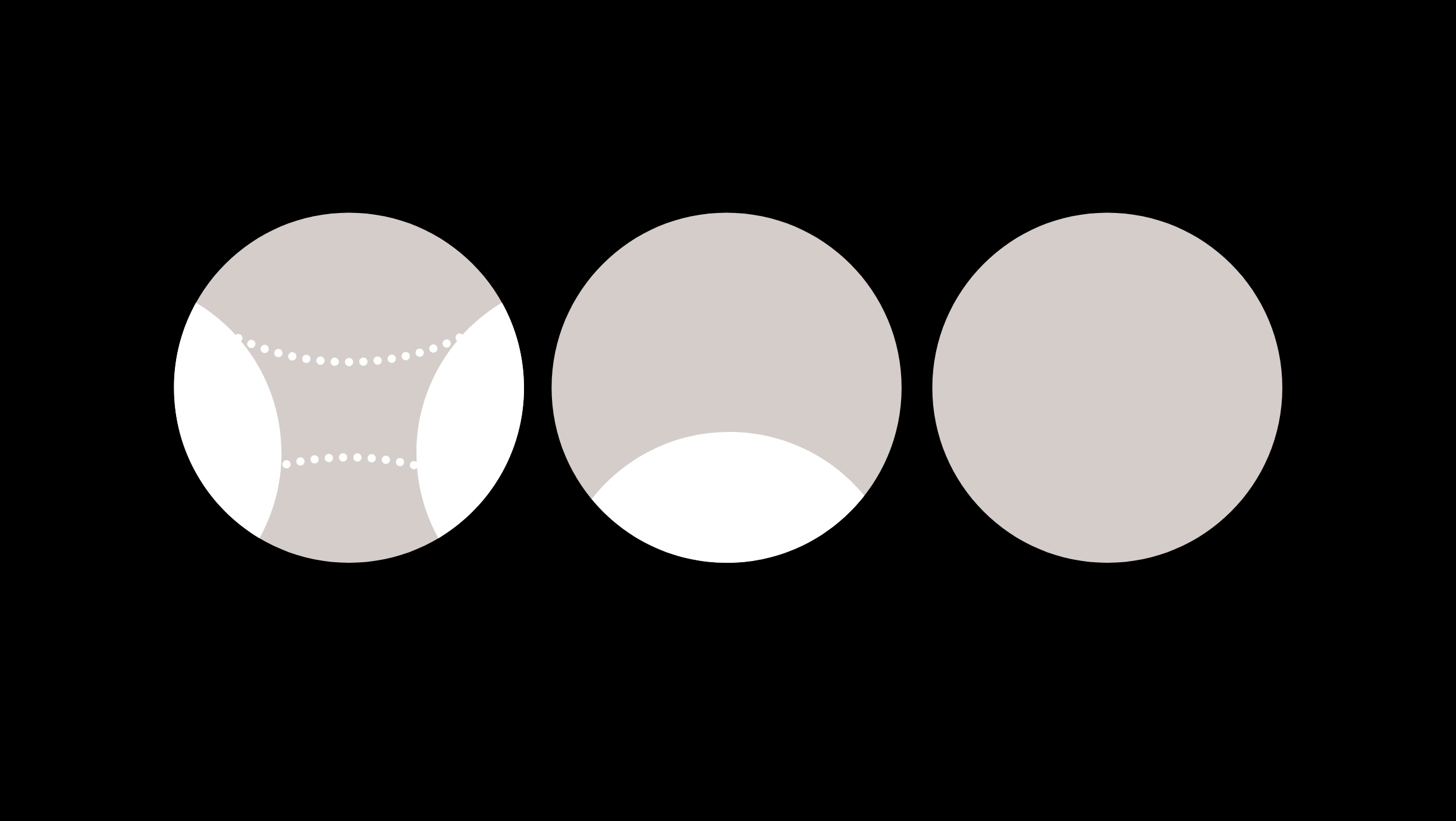
Benjamin Franklin’s late 18th-century invention, and still useful. A bifocal carves the lens into two regions: distance vision up top, near at the bottom, with a distinct line between them. The line is the giveaway cosmetically, and it creates a quirk called image jump, where objects appear to leap as your gaze crosses from one zone to the other. The upside is that the zones are large and dead easy to find, with no hunting for a narrow sweet spot. Some people find that predictability more comfortable than the alternative, and bifocals sit in the middle on price.[3] If you also need help at arm’s length, there’s the bifocal’s three-zone cousin, the trifocal, which adds an intermediate strip between the distance and near segments, at the cost of a second visible line. Bifocals tend to suit people whose daily lives typically revolve around just two distances, like a book in hand and a face across the table.
Progressive lenses: no visible lines,
but a visual corridor
Progressive lenses smooth those two zones from bifocals into a seamless gradient, ramping continuously from distance at the top to near at the bottom with no visible line and no image jump.[2] That’s the appeal, and it’s why they’re the most popular choice. The trade-off is that only a narrow vertical corridor is in focus at any moment, which limits the available visual field. On top of that, there is a blur toward the edges, so you learn to point your nose at whatever you want to see. Most wearers adapt within about two weeks; others never do and switch to something else.[3] They’re also the priciest of the three, often costing 25 to 50% more than bifocals, reflecting the customized digital surfacing involved.[4] One safety note worth filing away: older adults in progressives have higher fall rates than single-vision wearers, more than double the odds of multiple falls versus bifocal wearers in one study.[5]
A practical tip if you go this route: a larger frame gives the gradient more room, which usually makes the in-focus corridor broader and easier to live with. And the higher your near correction climbs over the years, the more pronounced the edge blur becomes, so the choice that felt easy at your first pair can feel different a decade later.
Side by side
| Reading glasses | Bifocals | Progressive lenses | |
|---|---|---|---|
| Visual zones | One (near only) | Two, with a visible line | Continuous, no line |
| Image jump | None | Yes, at the line | None |
| Adaptation | None | Minimal | ~2 weeks; some people will never adapt |
| Cosmetics | Obvious as readers | Visible line | Looks like normal glasses |
| Relative cost | Lowest | Middle | Highest (≈25–50% over bifocals) |
| Best for | Fixed-distance near work | Wanting big, easy zones | One pair for all distances |
Choose based on your habits and needs, not the label
Choose reading glasses if your close work happens in predictable blocks at one distance, you want maximum sharpness for the least money, and you don’t mind taking them on and off. They’re also the easiest backup to keep in a drawer.
Choose bifocals if you want clearly defined near and distance zones you can find without thinking, you’re not bothered by a visible line, and you’d rather not pay progressive prices. They suit people who switch between just two distances, like reading and looking across a room.
Choose progressives if you want a single, normal-looking pair to carry you across every distance, you spend your day shifting between phone, screen, and the world, and you’re willing to ride out a short adaptation. If you’ve tried them before and your eyes never settled, that’s useful information: you may be in the small group who do better with defined zones.
What comes next
Every option on this page is a compromise with the same root cause: the focusing power is fixed in the glass, so the lens has to carve up your field of view and make you choose where to look. The newest approach tries to delete that compromise. Adaptive, or autofocus, lenses change their power electronically, aiming to keep one pair sharp at any distance without fixed zones or nose-aiming. It’s promising and worth watching, though still early, with limited availability and high prices for now. For today’s decision, it’s a reason to stay curious, not a reason to wait. So, walk into your eye exam knowing your priorities on sharpness, convenience, cosmetics, and budget, and the right choice among these three becomes obvious fast.